If you are worried about the sea’s changing chemistry, the short answer is carbon dioxide. The main ocean acidification causes are fossil fuels, cement making and forest clearing, which add CO2 that the ocean absorbs as a weak acid.
This page sits inside our marine science section, which explains how the ocean works and how it is changing.
| Item | Value |
|---|---|
| Share of excess atmospheric CO2 the ocean absorbs each year | About 1/4 |
| Time over which fossil fuel burning has added CO2 to the air | The last 250 years |
| Rise in average ocean acidity since 1750 | About 30 percent |
| Pace of acidification compared with the past 50 million years | Nearly 10 times faster |
| Main human sources of the extra CO2 | Fossil fuels, cement production, deforestation |
These figures come from NANOOS, a regional ocean observing system. Scientific estimates can change as new data arrives, so check the source before you rely on them.
What ocean acidification actually is
Ocean acidification is the ongoing change in ocean chemistry caused primarily by the ocean’s absorption of carbon dioxide from the atmosphere. The cause and the effect are linked: more CO2 in the air means more CO2 dissolving into the sea.
The word “acidification” can mislead. The ocean is not turning into acid. It is becoming less alkaline, which means its pH is moving in the acidic direction.
That small shift matters because many marine processes are tuned to a narrow chemical range. Life processes such as photosynthesis, growth, respiration, reproduction and behavior are all sensitive to carbon dioxide and pH.
How carbon dioxide changes seawater
The chemistry runs in a short chain. When CO2 combines with water, it forms a weak acid. That acid raises the hydrogen ion concentration in the ocean, which lowers the pH and makes the water less alkaline.
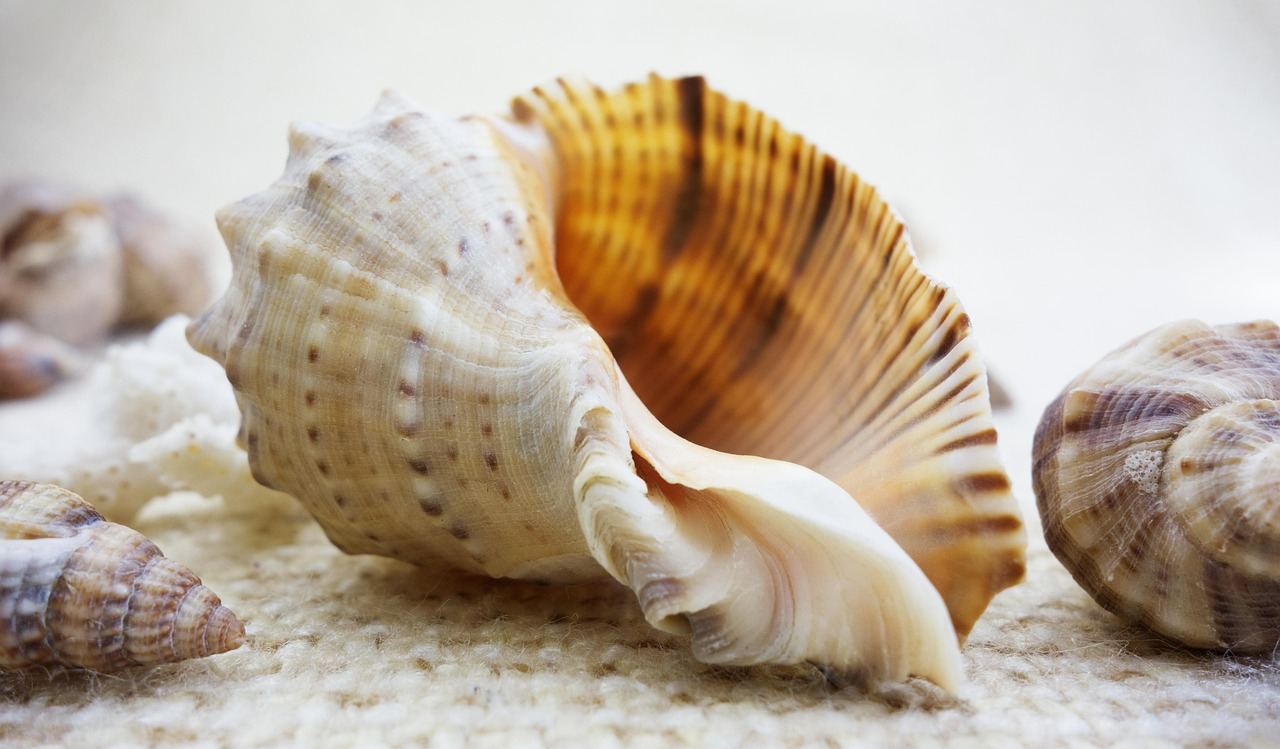
The same shift also removes something shell-builders need. As the ocean becomes less alkaline, the amount of carbonate ions and calcium carbonate minerals falls. These are biologically important building blocks for many marine organisms.
In short, the steps are:
- Carbon dioxide builds up in the atmosphere.
- The surface ocean absorbs part of it.
- CO2 and water form a weak acid, so hydrogen ions rise and pH falls.
- Carbonate ions become scarcer for organisms that build shells and skeletons.
NANOOS notes that rising CO2 in the air at Mauna Loa, Hawaii, tracks with rising CO2 in the nearby ocean at Station Aloha, as shown in a graph on its ocean acidification page. As more CO2 accumulates in the ocean, the pH of the ocean decreases.
Where the extra carbon dioxide comes from
The source pack points to human activity. For the last 250 years, the burning of fossil fuels has been pumping CO2 into the atmosphere, according to NANOOS. It names three main drivers:
- Fossil fuels: coal, oil and natural gas burned for energy.
- Cement production: an industrial source of CO2 listed alongside fuel burning.
- Deforestation: land clearing that adds CO2 to the air.
The ocean then takes up about 1/4 of this excess CO2 every year, as NANOOS describes it. That uptake is why the ocean’s chemistry changes even though the emissions happen on land and in the air.
This is also why acidification is sometimes called the other CO2 problem. The same gas that warms the climate also changes seawater, and the two problems share one root cause.
Why the speed of change matters
The chemistry is not new, but the pace is. Since 1750, the average acidity of the ocean has increased about 30 percent, according to NANOOS.
The same source says the rate of acidification is nearly 10 times faster than at any time in the past 50 million years. That outpaces the ocean’s capacity to restore its pH and carbonate chemistry.
A fast change leaves living things less time to adapt, evolve or adjust. Marine organisms, marine ecosystems and the people who depend on them all have a shorter window to respond.
The ocean also moves carbon around by other routes. The biological carbon pump is a separate part of that story, and it is worth reading alongside this page.
Who and what is affected
The effects follow from the loss of carbonate ions. Calcification rates fall in shell-forming organisms such as corals and shellfish, according to NANOOS.
- Coral reefs: reef structures affected by acidification are weaker and less able to protect coastal communities from storm damage.
- Shellfish: oysters, scallops, mussels and clams are negatively affected, particularly during larval shell building.
- Pteropods: these tiny sea snails are affected by the chemistry changes, and shelled pteropods are a critical food source for salmon, mackerel, herring, cod and even whales.
- Photosynthesizers and fish: phytoplankton, seagrasses and fish may also be affected in different ways.
The word “potential” matters here. The source says acidification has the potential to affect a wide range of organisms, and the effects differ from one species to the next.
Shellfish farming shows why the larval stage draws so much attention. Young oysters, scallops, mussels and clams must build shells while carbonate ions are scarcer, so reduced calcification hits them when they are most vulnerable. NANOOS calls these economically important species, which means the effect reaches beyond ecology into the economy.
Reefs show a different kind of risk. A reef that calcifies more slowly ends up weaker, and the source says such structures are less able to protect coastal communities from storm damage. The loss falls not only on the animals that live there but also on nearby people.
Food webs add a third layer. Pteropods are a critical food source for salmon, mackerel, herring, cod and even whales, so harm to them can pass up the chain. The source puts no figure on that knock-on effect, so treat it as a risk rather than a measured loss.
The effects are also not limited to shells. Photosynthesis, growth, respiration, recruitment, reproduction and behavior are all sensitive to carbon dioxide and pH, which is why the source describes the impacts on fish and photosynthesizers as arriving “in many different ways”.
Water that rises from depth is one place where chemistry can differ from the surface average. If you want to explore that, read what is upwelling in the ocean for the basics.
Frequently asked questions
What is the main cause of ocean acidification?
Show answer
The main cause is the ocean absorbing carbon dioxide from the atmosphere. NANOOS links the extra CO2 to fossil fuel burning, cement production and deforestation over the last 250 years.
Does the ocean absorb all the extra carbon dioxide?
Show answer
No. The ocean absorbs about 1/4 of the excess CO2 released into the atmosphere every year. The rest stays in the air or goes elsewhere.
Is the ocean becoming an acid?
Show answer
No. Seawater is becoming less alkaline, which lowers its pH. That is why scientists describe the change as acidification rather than as an acid ocean.
Why does acidification matter for shellfish and corals?
Show answer
Lower carbonate ion levels reduce calcification rates in shell-forming organisms. Larval shellfish and coral reef structures are among the examples NANOOS gives.
Is the change part of a natural cycle?
Show answer
NANOOS describes the change as caused primarily by absorption of atmospheric CO2. It also says the pace is nearly 10 times faster than at any time in the past 50 million years.