Wondering how something you can’t see affects the climate? The role of phytoplankton in climate is to pull carbon dioxide from surface water and carry carbon to the deep ocean when they die and sink.
This guide sits within our marine science coverage, which explains how the ocean works as a living system.
| Key fact | Value |
|---|---|
| Carbon absorbed compared with land vegetation | As much as all the vegetation on land |
| Biomass compared with land plants | Several orders of magnitude smaller |
| Share of the planet covered by oceans | Two-thirds |
| Time over which a bloom can build | A few days or weeks |
| BICEP satellite time series, as of ESA’s April 2023 feature | 1998 to 2020 |
These figures come from NASA Earth Observatory and ESA’s feature on the ocean biological carbon pump. Research and datasets get updated, so check the sources before you rely on the figures.
What phytoplankton are and why they matter for climate
According to NASA Earth Observatory, phytoplankton are microscopic organisms that live in watery environments, both salty and fresh. The name comes from the Greek words phyto (plant) and plankton (made to wander or drift).
Phytoplankton are not one single group. Some are bacteria, some are protists, and most are single-celled plants. NASA lists these common kinds:
- Cyanobacteria, which are photosynthesizing bacteria
- Diatoms, which are encased in silica
- Dinoflagellates
- Green algae
- Coccolithophores, which are coated in chalk
Like land plants, phytoplankton have chlorophyll to capture sunlight, and they use photosynthesis to turn it into chemical energy, as NASA explains. They consume carbon dioxide and release oxygen. That simple exchange is the starting point for everything they do to the climate.
How the biological carbon pump works
The European Space Agency describes phytoplankton as being at the heart of the biological side of the ocean carbon cycle. In its feature, ESA says these tiny marine plants transfer vast amounts of organic carbon from the surface waters to the deep ocean. That process is called the ocean biological carbon pump.
You can think of the pump as a short chain of events:
- Phytoplankton absorb carbon in the surface waters through photosynthesis and release oxygen.
- They turn over much faster than plants on land, which keeps production high.
- When they die, they sink into deeper waters, taking the carbon with them.
The scale of this is striking. ESA reports that phytoplankton absorb as much carbon as all the vegetation on land, despite their biomass being several orders of magnitude smaller. A small living stock that renews itself quickly can still move a great deal of carbon.
Why does this matter for the air above? A 2018 review by Basu and Mackey, summarised by the Ocean Acidification International Coordination Center, says the biological carbon pump plays a vital role in transferring CO2 from the atmosphere to the oceans and then to the sediments. It subsequently keeps atmospheric CO2 at significantly lower levels than would be the case if the pump did not exist.
What controls where phytoplankton grow?
Phytoplankton growth depends on the availability of carbon dioxide, sunlight and nutrients, according to NASA. Like land plants, they need nutrients such as nitrate, phosphate, silicate and calcium, at levels that vary by species.
One nutrient deserves special mention. Phytoplankton require trace amounts of iron, and because iron concentrations are very low in large areas of the ocean, iron limits their growth there. Some phytoplankton can fix nitrogen, which lets them grow in areas where nitrate concentrations are low.
NASA also names other factors that shape growth rates:
- Water temperature and salinity
- Water depth
- Wind
- The kinds of predators grazing on them
When conditions line up, phytoplankton can grow explosively over a few days or weeks. NASA shows a bloom that formed east of New Zealand between October 11 and October 25, 2009, in a pair of satellite images. Blooms are one reason the ocean’s carbon uptake varies from place to place and from season to season.
How do satellites help scientists track phytoplankton?
Oceans cover two-thirds of the planet, and phytoplankton have a rapid life cycle. ESA notes that this makes it impossible to get a global view from field observations alone.
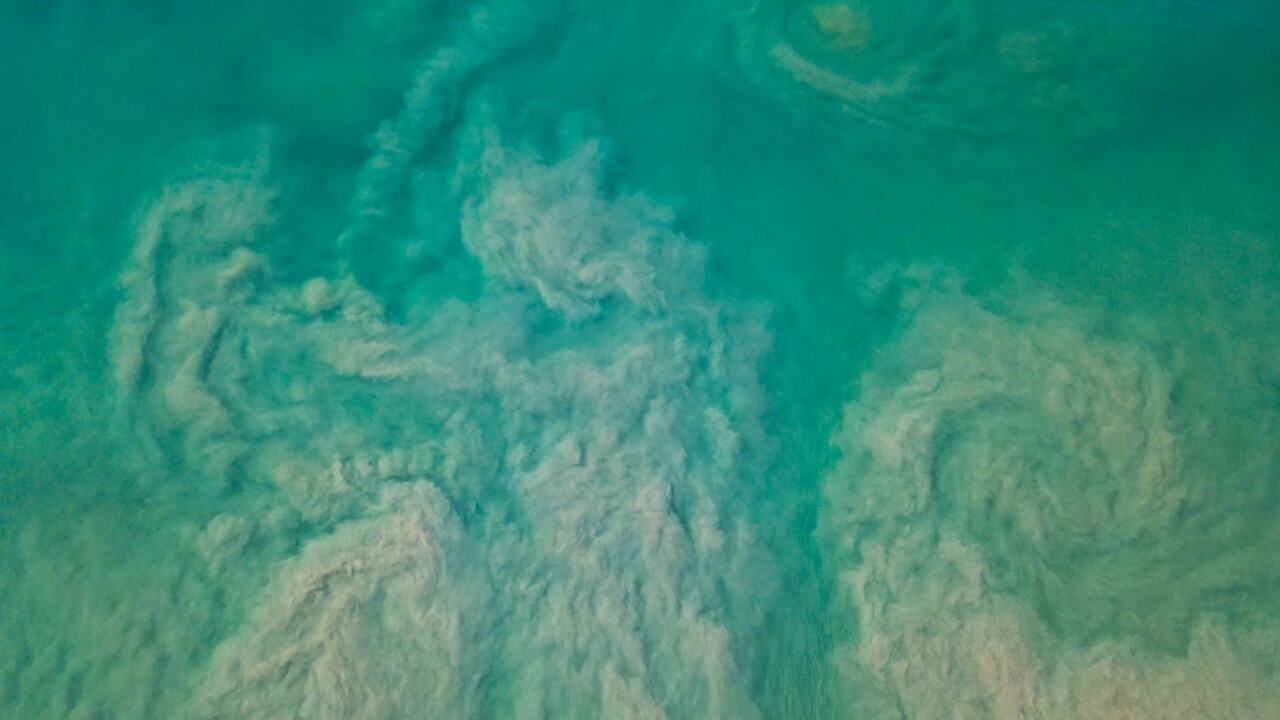
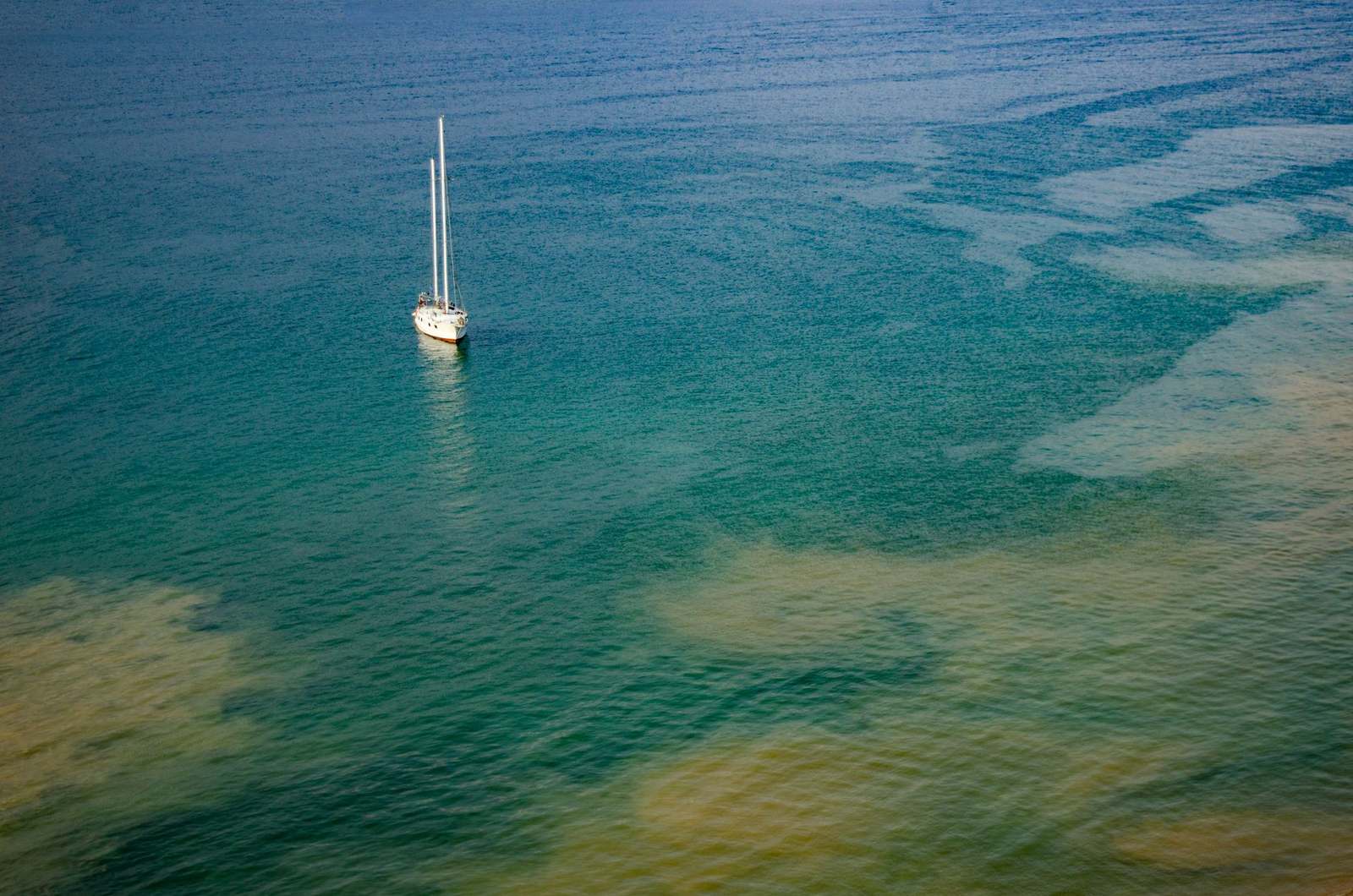
Satellites fill the gap because phytoplankton change the colour of the surface waters. This ocean colour can be observed by satellites such as the Copernicus Sentinel-2 and Sentinel-3 missions, per the same ESA feature.
ESA’s Science for Society Programme funds the Biological Pump and Carbon Exchange Processes (BICEP) project, which Shubha Sathyendranath at Plymouth Marine Laboratory in the UK leads. Using satellite datasets from ESA’s Climate Change Initiative, the team generated products for different pools and fluxes of biological carbon in the surface ocean. ESA lists them as:
- Phytoplankton primary production
- Phytoplankton carbon
- Particulate organic carbon
- Dissolved organic carbon
- Particulate inorganic carbon
- Export production
As of ESA’s April 2023 feature, the BICEP time series runs from 1998 to 2020, and the team says it is being extended and kept up to date. A related ESA study using the same Climate Change Initiative data produced a 20-year time series of global primary production in the oceans. Sathyendranath puts it this way: “The role that phytoplankton play in the ocean carbon cycle cannot be overstated.”
How a changing climate could affect the pump
The efficiency of the biological pump is a function of phytoplankton physiology and community structure, which are in turn governed by the physical and chemical conditions of the ocean. That is the central point of the 2018 review.
The review says global change is expected to influence several of those conditions:
- Carbon availability
- Nutrient availability
- Temperature
- Light, via stratification
The authors point out that only a few studies have focused on the importance of phytoplankton community structure to the biological pump. An improved understanding of how community size structure will respond is required, they say, to judge whether the ocean can keep acting as a long-term sink for atmospheric CO2. In plain terms, the answer is still being worked out, and the review does not claim otherwise.
If you want to see how deep water moves once carbon has sunk, our explainer on thermohaline circulation picks up that thread. For the oxygen side of ocean change, read our guide to ocean deoxygenation.
Frequently asked questions
Are phytoplankton plants?
Show answer
Some are, and most are single-celled plants. NASA says that some phytoplankton are bacteria and some are protists, so the group is mixed.
Do phytoplankton absorb carbon dioxide?
Show answer
Yes. Like land plants, they use photosynthesis and, per NASA, they consume carbon dioxide and release oxygen. ESA adds that they absorb carbon in the ocean’s surface waters.
What limits phytoplankton growth?
Show answer
Growth depends on carbon dioxide, sunlight and nutrients. NASA notes that very low iron concentrations limit growth in large areas of the ocean, and that temperature, salinity, depth, wind and grazing predators also play a part.
How can satellites see phytoplankton?
Show answer
Phytoplankton change the colour of the surface waters. ESA explains that satellites such as the Copernicus Sentinel-2 and Sentinel-3 missions can observe this colour.
Will the ocean keep absorbing carbon in the future?
Show answer
The sources here do not give a firm answer. A 2018 review says only a few studies have examined how phytoplankton community structure affects the pump, and that a better understanding is required.